Timberwright®
Hand-hewn. Dovetailed. Chinked in the Appalachian tradition.
The Random Stack is the Hearthstone signature
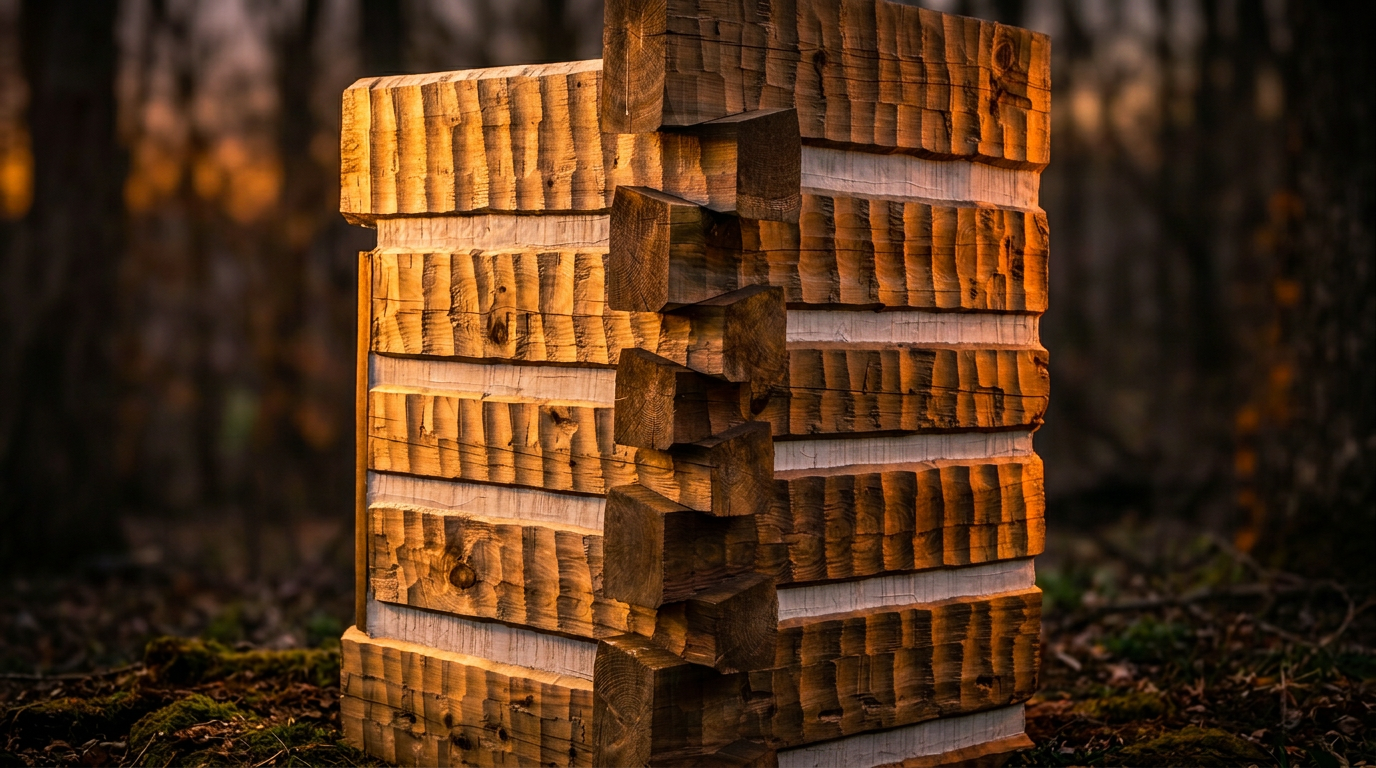
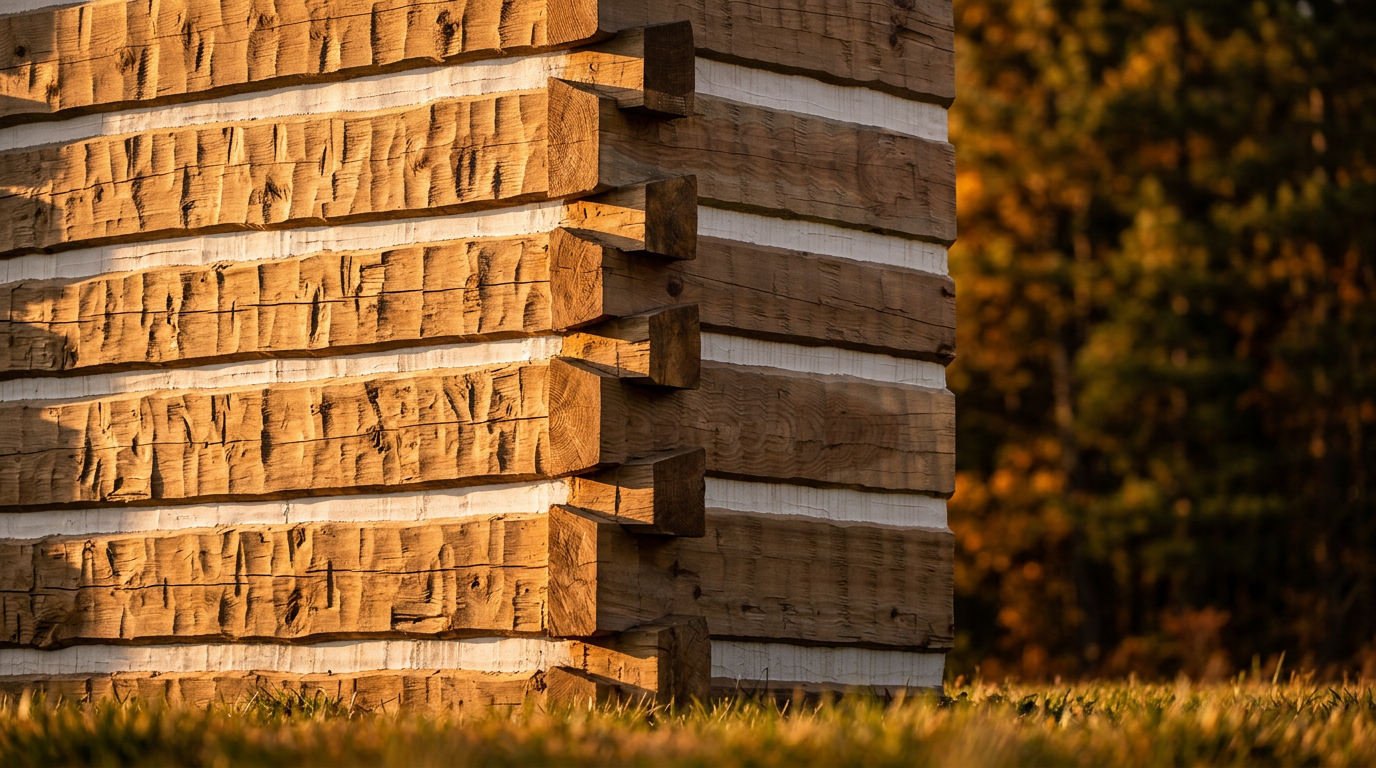
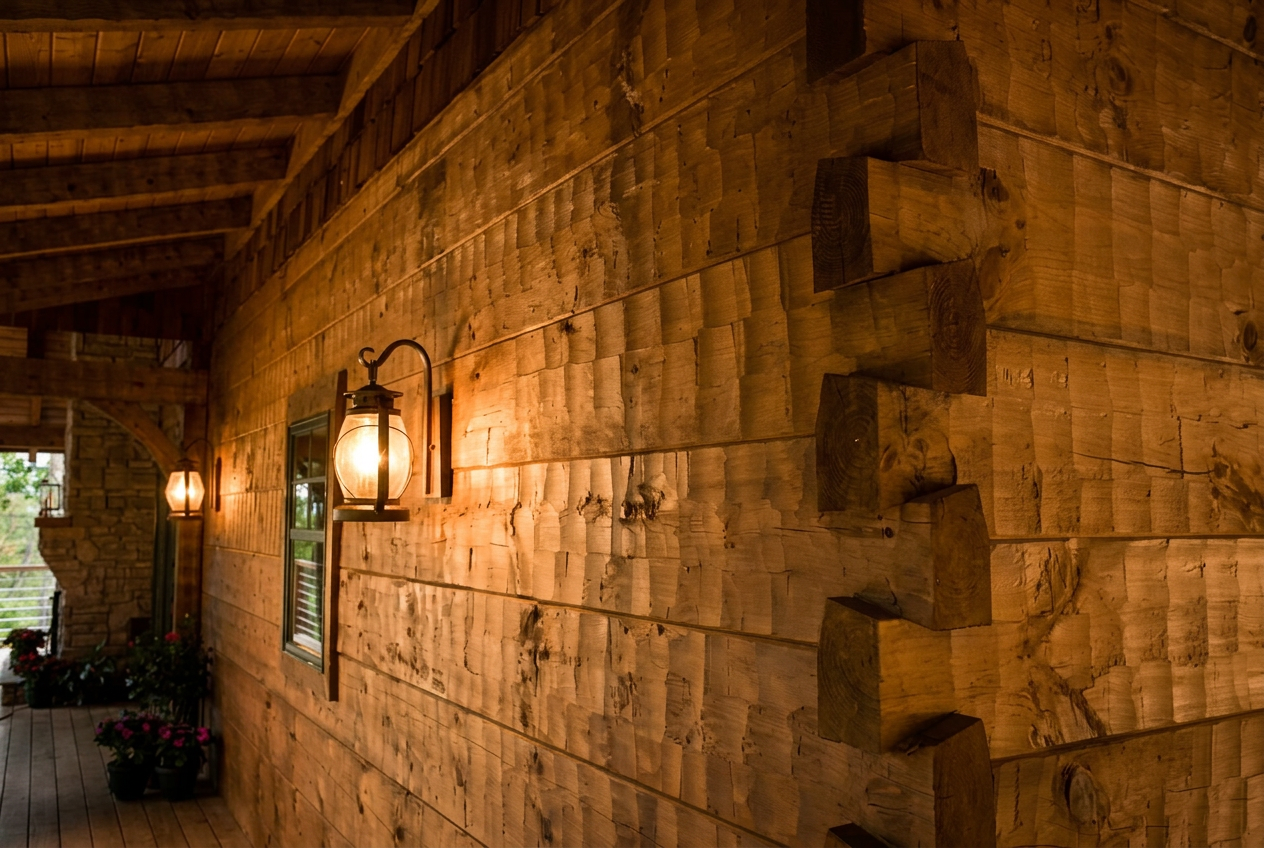
The Random Stack is the Hearthstone signature — broad-axe hewn timbers stacked at varied heights, corners cut in full dovetail, and the seams chinked to shed weather the way the first American cabins did.
Each log is felled, squared with a broad axe on the Newport shop floor, and left with the tool marks visible. That is the point — every face carries the hand of the wright who shaped it. No two logs are the same height, no two courses are the same. The wall is a record of trees.
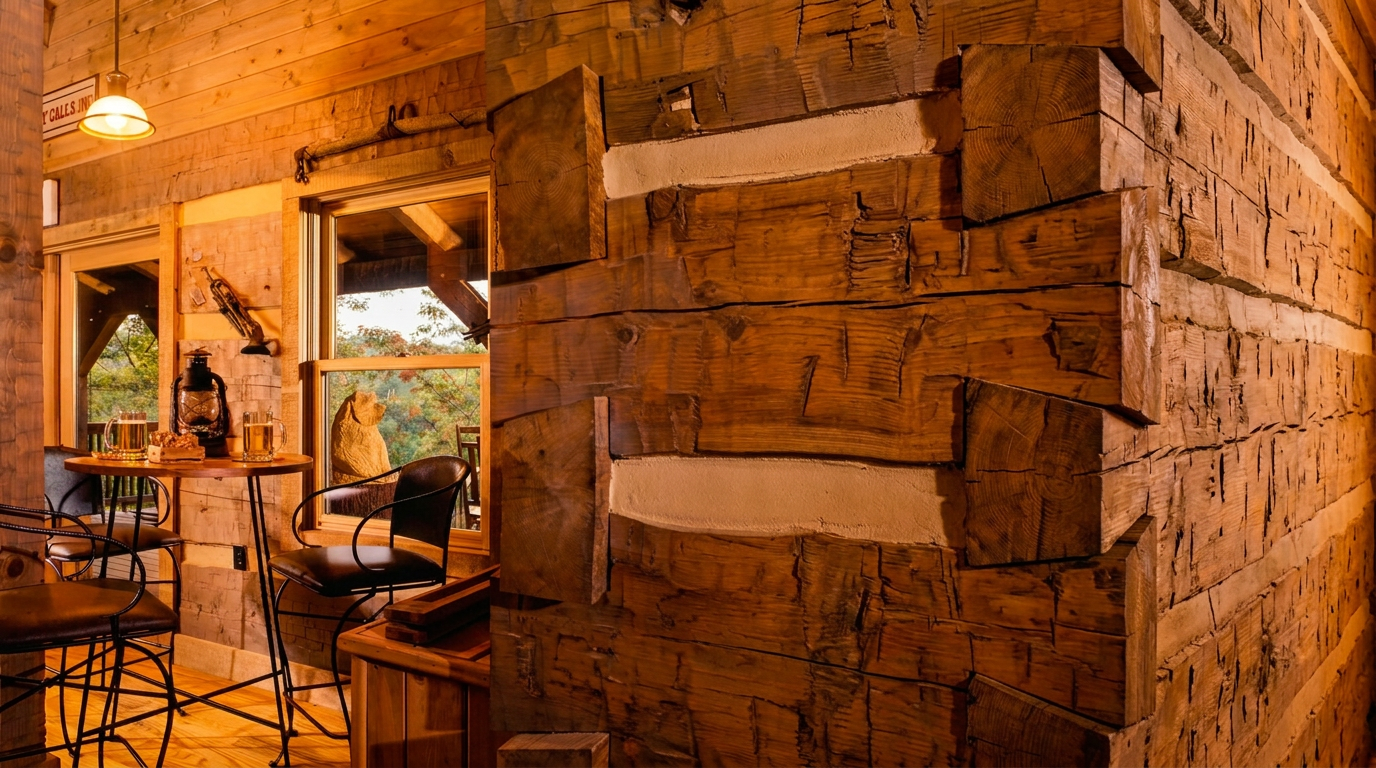
The corners are cut in full dovetail — pins and tails scribed to fit dry, without a bead of caulk holding them together. The joint tightens as the wood shrinks and locks the wall against uplift and racking.
Between courses we lay a modern chinking system that reads as lime mortar but flexes with the timbers as they move through the seasons. The result is a wall that looks like it was raised in 1790 and performs to a 2026 energy envelope.
Hughes Log Home
Broad-axe hewn · Full dovetail · Chinked in the Appalachian tradition
Click any frame to enlarge · 11 photographs
A textbook Random Stack, raised the old way.
The Hughes home is the reason this style has a name. Broad-axe hewn timbers laid in random courses, full-dovetail corners scribed dry, and a chinked seam that reads as lime mortar and moves like a modern gasket.
Every log was squared on the Newport shop floor — two faces at a time, tool marks left visible so each wall carries the hand of the wright who shaped it. Course heights vary the way the trees varied. The wall is a record of the woodlot it came from.
Inside, hand-hewn beams carry the ceiling and the same broad-axe surface wraps the great room. A stone chimney anchors the plan. Outside, the dovetail corners tighten as the wood shrinks and lock the whole wall against uplift — the joint the first American cabins were built on, cut now with the same tools and none of the shortcuts.
Style
Random Stack
Corner
Full Dovetail
Surface
Broad-Axe Hewn
Seam
Chinked
The wall, in numbers.
Log profile
Broad-axe hand-hewn, 8-12 in. tall, random courses
Species
White oak, eastern white pine, or reclaimed heart pine
Corner
Full dovetail, scribed dry
Seam
Chinked, backer rod + acrylic chink system
Wall R-value
R-15 effective at 10-in. average thickness
Best for
Great rooms, primary residences, lodges, retreats
Four moves, in order.
01
Select the tree
Standing timber is chosen for grain, taper, and heart. We reject logs that read straight on the saw but wrong on the wall.
02
Hew by hand
Two faces are broad-axed square in the shop. The tool leaves shallow, overlapping scallops — the surface a machine cannot copy.
03
Scribe the dovetail
Each corner is fit dry, log to log, and marked in place. The joint is cut once and never adjusted on the wall.
04
Raise and chink
The frame is raised, sealed at the seams with a two-part chink system, and left to weather into the color the wood wants to be.
How it reads on the wall.
A working reference of finished walls, historical precedents, and shop details. We'll swap these for project photography as you send it.
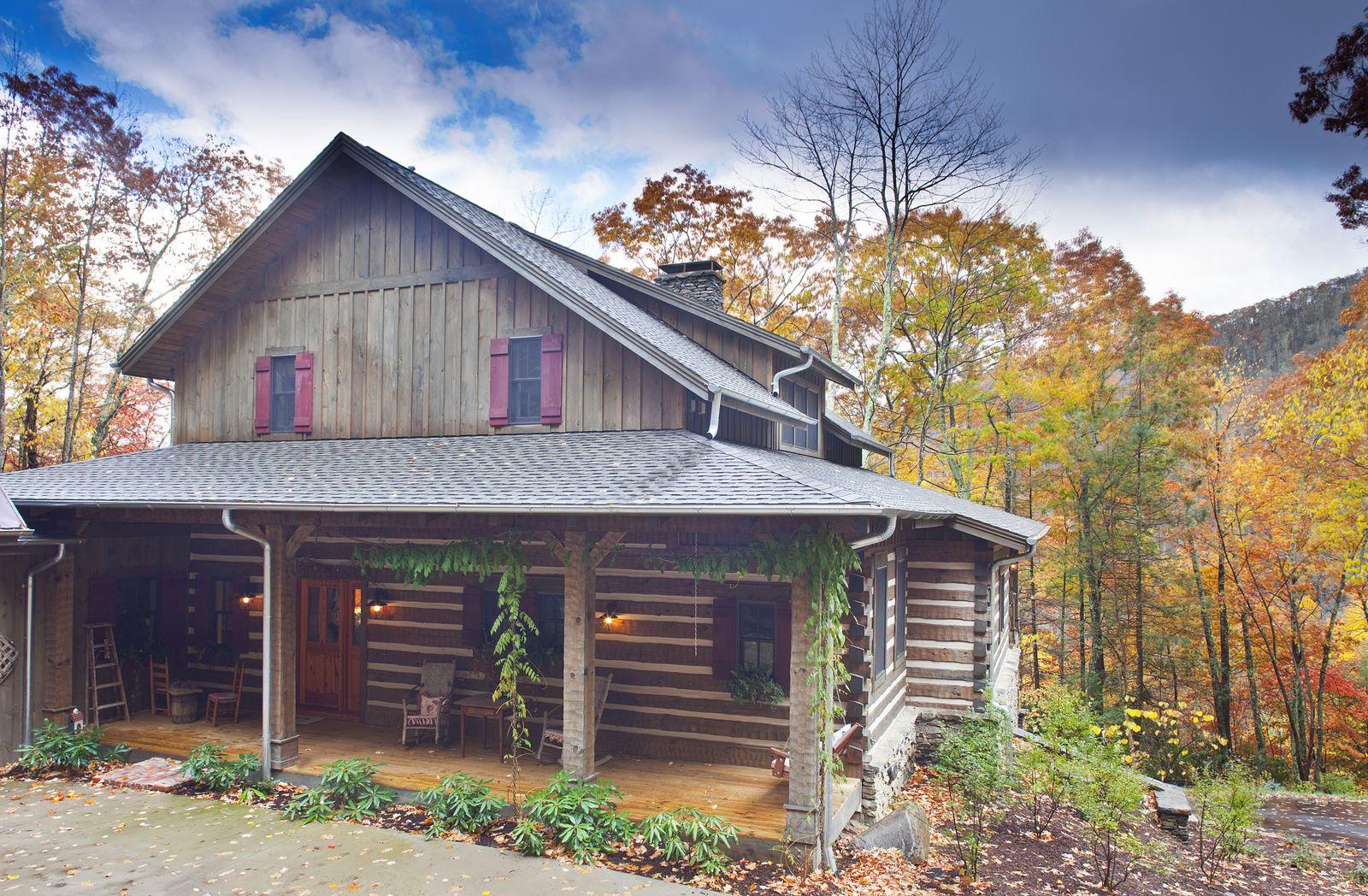
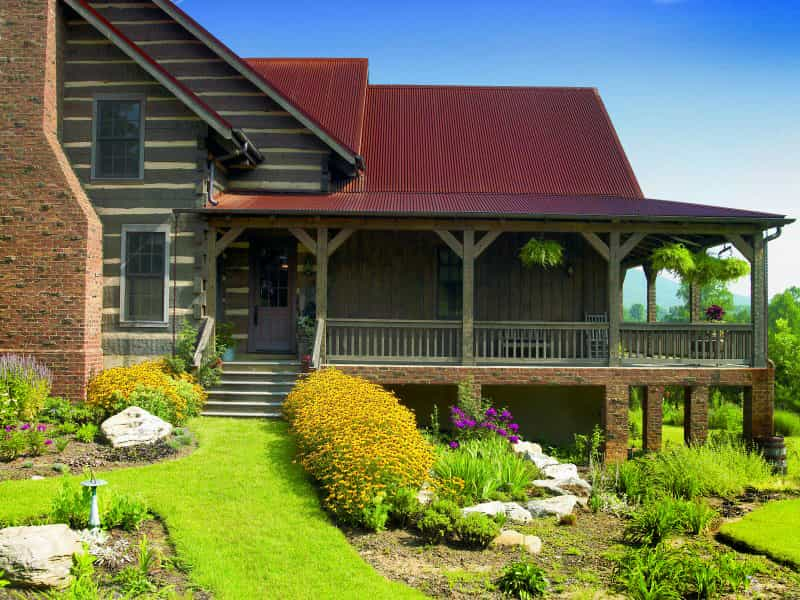
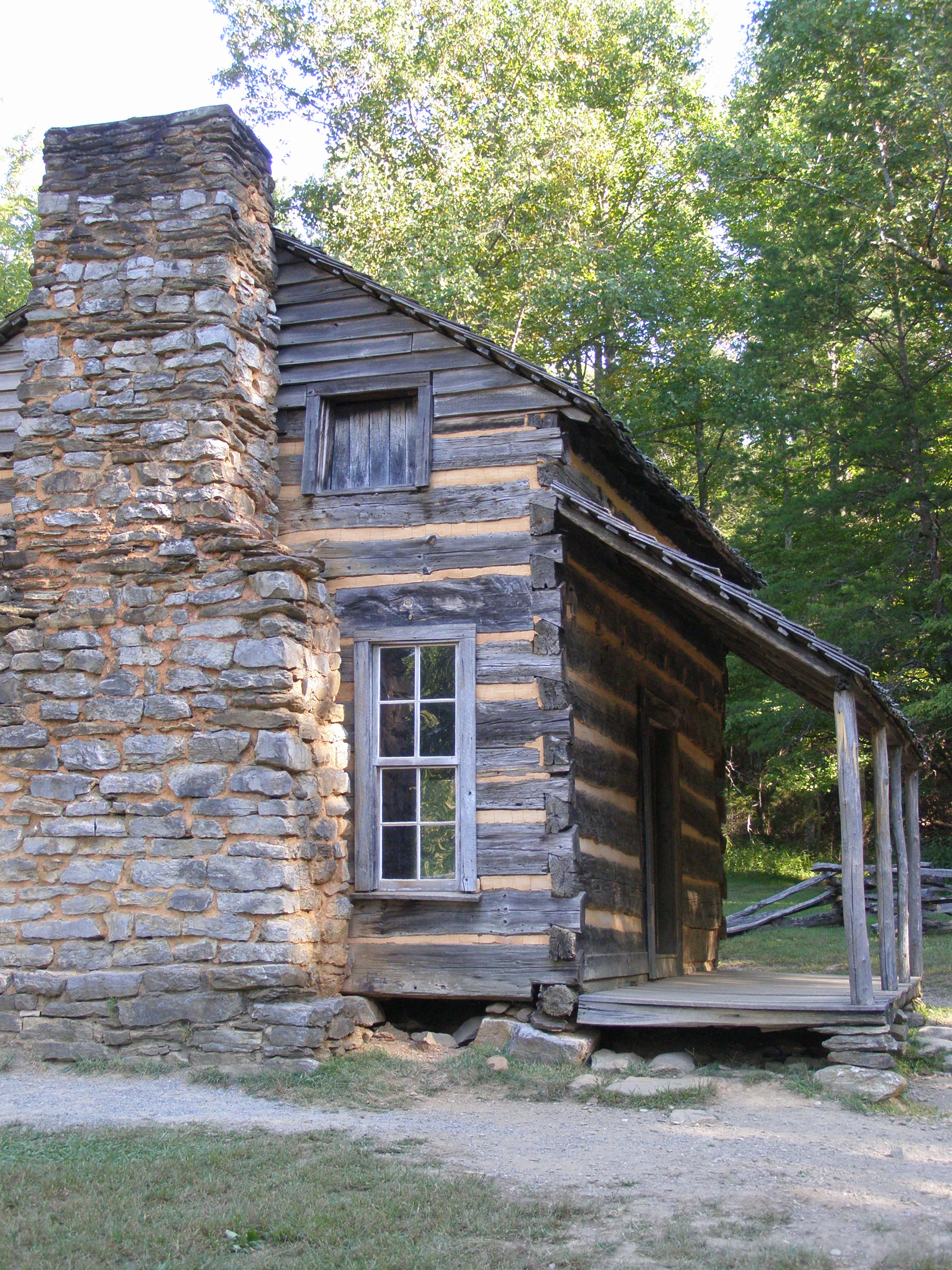
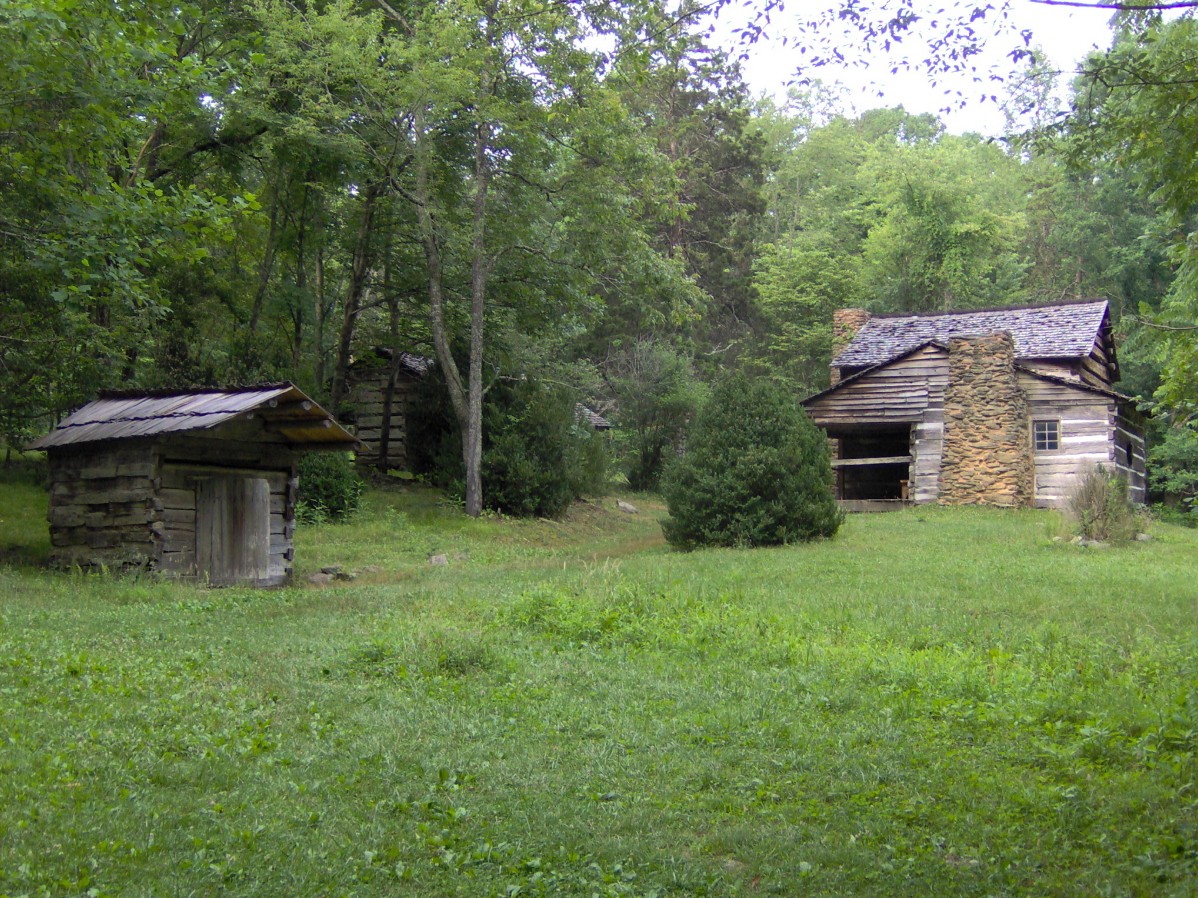
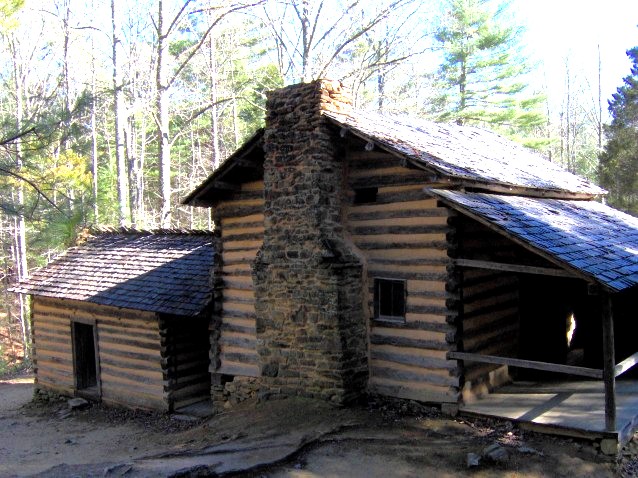
Compare the silhouettes.
Every project begins with a conversation.
Tell us the site, the family, and the way you want the house to sound in the morning. We'll take it from there.